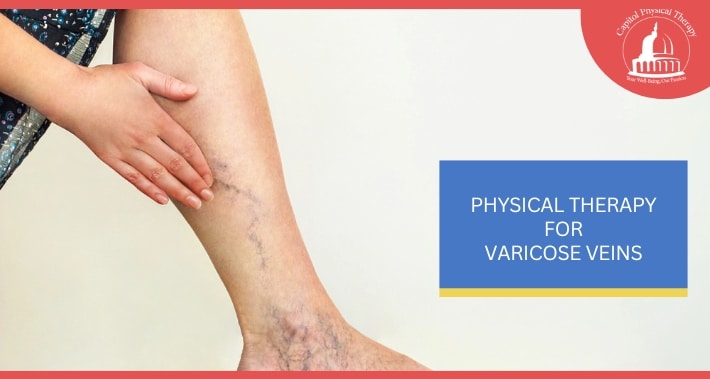
Varicose veins might seem like just a cosmetic issue at first — but for many people, they’re anything but minor.
Along with their appearance, varicose veins can bring pain, swelling, heaviness, and fatigue in your legs that make daily life harder than it needs to be.
What you might not know is that there are natural ways to manage your pain and discomfort, and improve circulation — and physical therapy is one of them.
In this article, we’ll take a closer look at:
- What varicose veins are and what causes them
- How to tell the difference between harmless symptoms and more serious warning signs
- Practical ways physical therapy and movement can help you feel better
If you’re dealing with varicose veins and wondering how to ease the discomfort, you’re in the right place.
Let’s explore your options.
What Are Varicose Veins?
Your veins are a critical component of your circulatory system.
They’re responsible for transporting blood and oxygen to your heart.
Varicose veins are when these veins are enlarged and twisted.
It’s most common in the veins near the surface of your skin.
However, it can happen to any vein in your body.
Sometimes varicose veins are simply a cosmetic concern, and other times they can cause aching pain and discomfort.
RELATED ARTICLE: Physical Therapy vs. Opioids For Chronic Pain Relief
It is also possible for varicose veins to lead to serious health challenges like ulcers, blood clots, and bleeding.
Varicose veins are relatively common.
The American Heart Association estimates that approximately 23% of adults have experienced them in the U.S.
Women are significantly more likely than men to experience this condition.
According to University of Rochester Medical Center, varicose veins impact approximately 40% of men and 70% of women over the age of 60.
What Causes Varicose Veins?
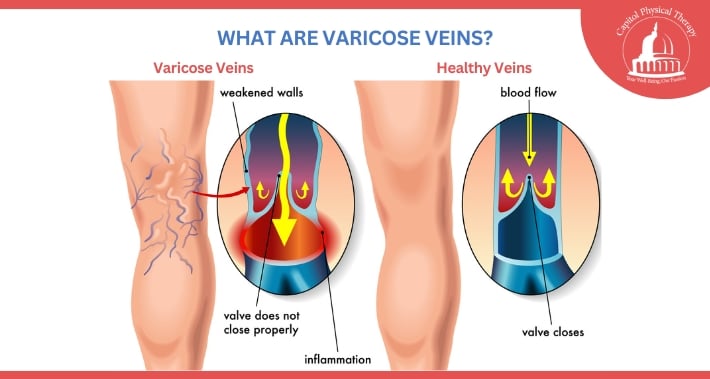
Weak or damaged valves in your veins are the primary culprit for this condition.
Your arteries carry blood from your heart to the rest of your body, while your veins return blood to your heart.
The valves in your veins open as blood flows towards your heart and then they close to stop blood from flowing backwards.
Weak or damaged valves can interrupt this process and cause blood to flow back and pool in your veins.
Veins are naturally small and have limited capacity, so this increase in blood can result in significant changes.
Too much blood in your veins can cause them to stretch and twist as they attempt to hold onto the increased blood flow.
Gravity also plays a significant role.
The farther away your veins are from your heart, the more impact gravity has on the blood flow and the greater your veins must work to push the blood back up to your heart.
That’s why your legs are more likely to experience varicose veins.
How Do I Know I Have Varicose Veins?
If you have dark purple or blue veins that appear twisted and bulging, then you probably have varicose veins.
This is different from spider veins, which are similar but much smaller and often red or blue.
Symptoms can differ from person to person.
Sometimes they are only aesthetic and so you won’t notice any symptoms other than visually seeing them.
Other times, you might notice:
- Itching around one or more of your visible veins
- A heavy or achy feeling in your legs
- Pain after sitting or standing for a long time
- Muscle cramping, burning, or swelling in your lower legs
- Skin color changes around your visible vein
How Physical Therapy Can Help Treat Varicose Veins
Physical therapy is a natural treatment method that can help with varicose veins.
The main goal of treatment here is to improve your blood flow and circulation.
This should also reduce any swelling or discomfort you’re feeling and relieve the stress of the day from your legs.
There are five common and effective methods for using physical therapy to help with varicose veins.
The remainder of the article will explore them in more detail.
1. Walking Exercises
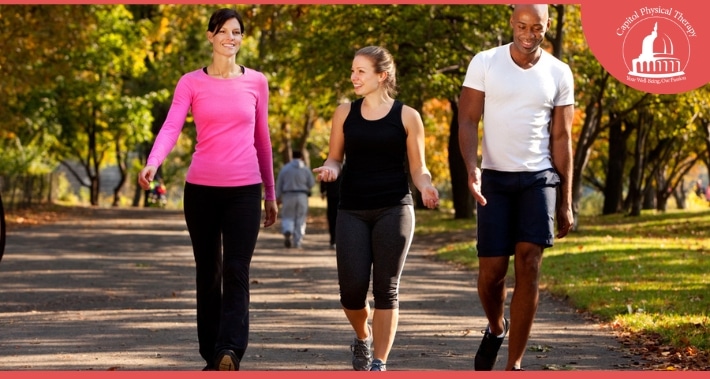
Walking is one of the easiest forms of exercise that improves your blood circulation in your legs.
It also has the additional bonus of helping you stay in shape.
It can help prevent other health conditions as well, including heart disease and stroke.
Aim to try and walk on soft surfaces that don’t stress your joints and avoid potentially straining your knee.
Stairs are also probably something to avoid as much as possible for now.
Walking for just fifteen to thirty minutes each day can provide noticeable relief from the painful symptoms of varicose veins.
RELATED ARTICLE: Understanding Stroke Risk Factors – Are You at Risk?
2. Swimming Exercises
There are many benefits of swimming for improving your physical health.
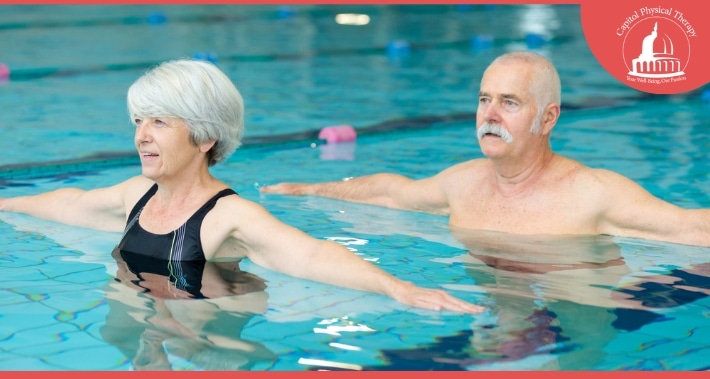
It’s a great, low impact activity that can help to push blocked blood in your legs back up to your heart.
It’s always helpful to focus on swimming horizontally, which will increase the blood flow out of your legs and help relieve your varicose veins.
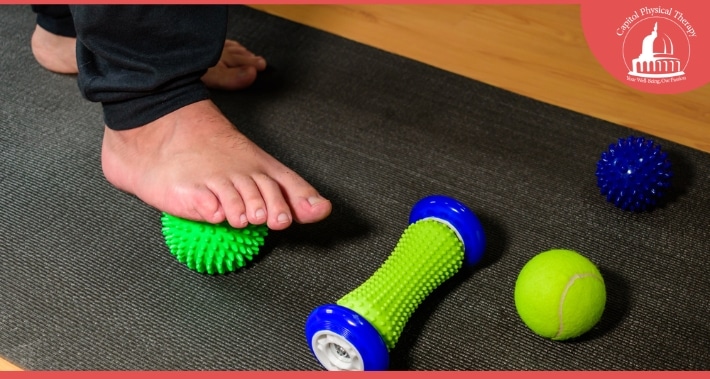
3. Foot Exercises
Foot exercises are another great method to help relieve your varicose veins.
Your physical therapist will show you how to do them either standing or sitting.
This is particularly easy on your body and so very helpful if you have other health challenges that make walking or swimming difficult.
4. Doing Leg Lifts
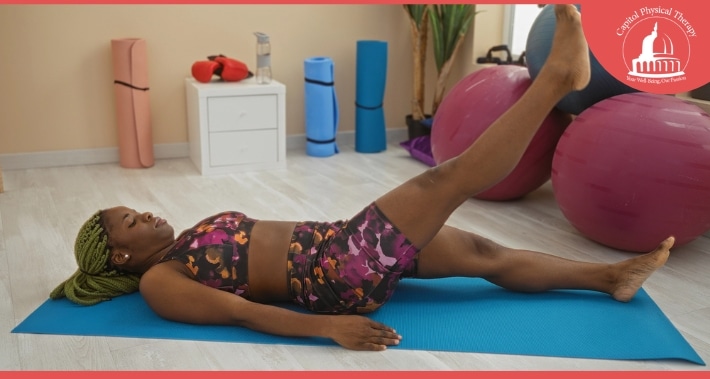
The great thing about leg lifts is you can practice them while sitting or lying on your back.
If sitting, you’ll want to keep your back straight and lift your legs up to a 45-degree angle.
If you want to try them lying down, your physical therapist will show you how to raise one leg at a time in a perpendicular position.
There are a few different variations of each movement.
Plus, these movements will also strengthen your abdomen muscles.
5. Using A Compression Bandage
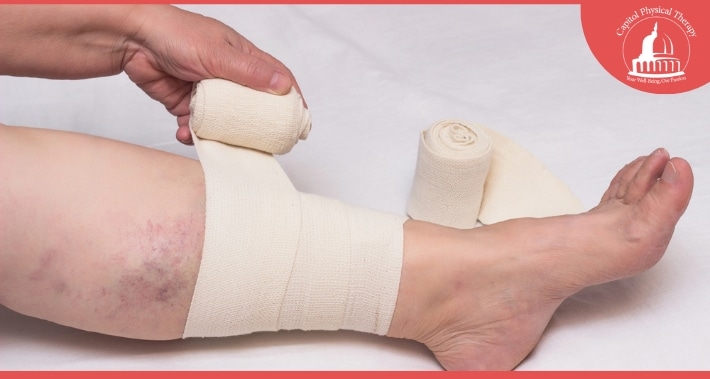
Finally, your physical therapist may also recommend using compression bandages to help reduce your varicose vein symptoms.
Compression bandages are tight garments that you wear around areas you have varicose veins.
They can provide relief during the initial stage of varicose treatment.
These bandages firmly squeeze the affected area and help your veins to circulate blood back up to your heart.
They will also reduce your discomfort, pain, and swelling.
Book Your Appointment With Our Physical Therapy Clinic Today
You don’t have to live with the pain, heaviness, or fatigue that often comes with varicose veins.
At Capitol Physical Therapy, our team of therapists offers personalized physical therapy plans to improve circulation, ease discomfort, and help you move with confidence again.
Whether your symptoms are just starting or you’ve been living with them for years, our experienced team is here to support your recovery.
With two convenient physical therapy clinic locations in the DC area, it’s easier than ever to get the care you need.
Book your appointment with Capitol Physical Therapy today and take the first step toward feeling better.
1100 H St NW Suite 1100,
Washington, DC 20005
- https://g.page/capitolptdc
9560 Pennsylvania Ave. # 202,
Upper Marlboro, MD 20772
- https://goo.gl/maps/zjL4NnnuThRhrcS86
Capitol Physical Therapy offers orthopedic and other pain related solutions, with our versitile team of physical therapists in Washington, DC and Upper Marlboro, MD