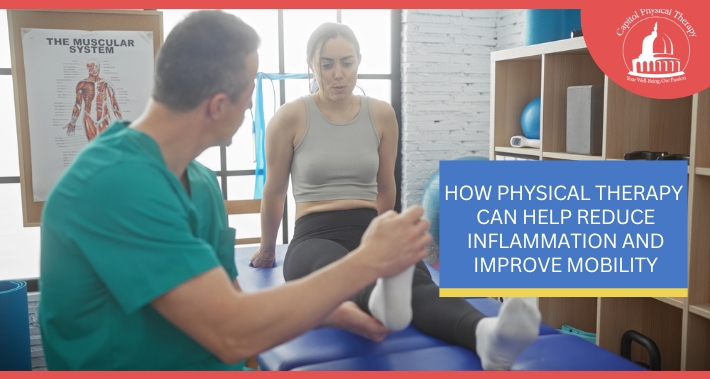
Everyone experiences inflammation from time to time.
Whether you’re nursing a swollen sprained ankle or waking up with puffy eyes after a sleepless night, most cases of inflammation are normal, temporary bodily processes.
For instance, if you’ve ever had your wisdom teeth removed, you might have developed swollen, chipmunk-like cheeks during recovery.
For the most part, temporary instances of inflammation are nothing to worry about.
That’s especially true when they accompany a known injury or minor infection.
However, long term or severe swelling may potentially pose risks to your overall health and wellness.
Physical therapy has been shown to help reduce instances of chronic swelling as well as prevent any long term effects.
We’ll explore how, in greater detail in this article.
But first, let’s explore the concept of inflammation and how it impacts your health over time.
What Is Inflammation?
Inflammation is a normal bodily process that occurs as a response to illness, injury, or infection.
It’s an important part of your body’s healing process.
It’s an immune system response that allows for better blood flow to help speed up recovery and combat infection.
Physicians classify inflammation into one of two categories: acute and chronic.
Acute inflammation occurs following some form of injury, infection, or trauma.
It’s a short term immune response that sends inflammatory cells to the site of injury or infection as part of the recovery process.
It’s typically localized to only the site of injury or infection.
However, some types of bacterial infections cause additional small intestine inflammation.
Most cases of acute inflammation resolve on their own once you’re fully healed.
Chronic inflammation is a more severe, long lasting immune response that might develop due to a variety of conditions, including:
- Autoimmune conditions, such as rheumatoid arthritis or lupus
- Cardiovascular disease
- Some forms of cancer, such as liver cancer, breast cancer, and lung cancer
- Gastrointestinal conditions, such as ulcerative colitis and Crohn’s disease
- Type 2 diabetes
- Neurodegenerative conditions, such as Alzheimer’s disease and Parkinson’s disease
Chronic inflammation differs from acute inflammation in that it persists even when your body isn’t fighting off any infection or healing from an injury.
Over time, chronic inflammation can impact your overall health and wellness in multiple ways.
What Does Inflammation Feel Like?
Inflammation symptoms feel different for everyone and often depend on the underlying cause.
Symptoms may also depend on whether you’re dealing with acute or chronic inflammation.
Acute inflammation typically only causes symptoms at the site of injury or infection.
Examples include:
- Discoloured skin, such as bruised or flushed skin
- Mild pain at the location of your injury or infection
- Swelling
- Skin that’s warm to the touch
- Stiffness in the affected area(s)
Chronic inflammation can cause more widespread, long lasting symptoms.
Examples include:
- Abdominal or chest pain
- Sleeping complications, such as insomnia and fatigue
- Persistent fever
- Joint pain and stiffness
- Mouth sores
- Skin rashes without a known cause
- Mental health challenges, such as depression and anxiety
- Gastrointestinal complications, such as diarrhea or constipation
- Acid reflux
- Unexplained weight changes
- Frequent infections
Inflammation can also lead to instances of decreased mobility and chronic pain.
Let’s take a closer look.
How Inflammation Contributes To Pain
Inflammation contributes to persistent pain in multiple ways.
Chronic inflammation prompts your body to release specific chemicals, such as cytokines.
These chemicals call help gather immune cells and direct them to the affected areas.
This process commonly causes varying degrees of pain and discomfort.
Additionally, joint inflammation is a common culprit of widespread joint pain.
You might also feel muscle pain as a side effect of inflammation.
Your muscles have sensitive pain receptors.
Thus, they are particularly vulnerable to cytokine chemicals.
Chronic Inflammation And Its Effects On Mobility
Chronic inflammation can also significantly impact your mobility levels.
For instance, most people with chronic inflammation experience some degree of joint stiffness and subsequent reduced range of motion.
Inflammation prompts thickening in the lining of your joints.
This process causes excess fluid to build up and prevent your muscles from doing their job effectively.
Chronic inflammation also commonly leads to muscle fatigue, which can further reduce your mobility levels.
Physical Therapy For Chronic Inflammation
Physical therapy can help both manage your symptoms of chronic inflammation and prevent future occurrences.
Physical therapists frequently work with clients living with various types of inflammation.
They can help you with both pain relief as well as muscle strengthening and stretching regimes.
The ultimate goal of physical therapy for inflammation is to maximize your overall function and improve mobility.
A physical therapist will design an individualized plan that’ll focus on your unique needs and limitations.
Depending on your needs, your physical therapist might use a variety of different physical therapy solutions.
Next, we’ll take a closer look at a few of them.
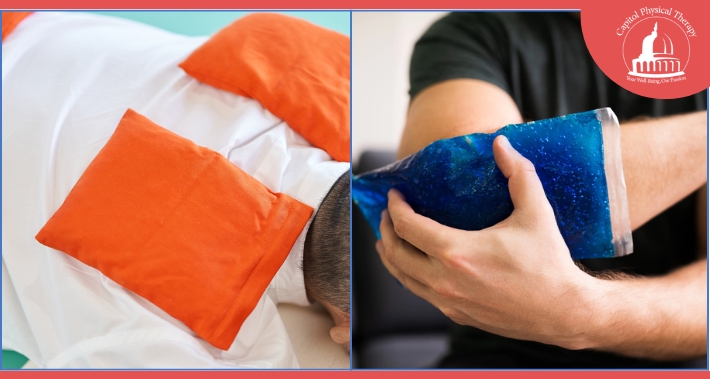
1. Modalities: Heat And Cold Therapy
Heat and cold therapy is another common physical therapy technique that can help manage pain levels and improve circulation.
Heat therapy, or thermotherapy, involves increasing the temperature of your skin to encourage better blood flow.
It can also help improve stiff joints.
Applying heat to your skin prompts your body to increase oxygen flow, which in turn encourages tissue healing.
Examples of heat therapy include heating pads, hot packs, or paraffin wax baths.
Cold therapy, or cryotherapy, can also help reduce inflammation and speed up your healing process.
Lowering the temperature of your skin has similar effects to heat therapy; it reduces your pain levels as well as lowers inflammation.
Cold therapy prompts restriction in your blood vessels, which helps reduce metabolic activity and subsequent inflammation.
Examples of cold therapy include ice packs, cold compresses, or cryotherapy units.
2. Exercise-Based Treatments
Exercise is an essential component of physical therapy for chronic inflammation.
Keeping your activity levels high can help significantly reduce chronic inflammation and other symptoms.
Your physical therapist will evaluate your fitness level to determine which kinds of exercise programs you might benefit most from.
For instance, they might start you with aerobic exercises, such as walking or swimming, before introducing strength training.
Physical therapy exercises can help encourage ample blood flow and subsequently reduce joint stiffness, improve flexibility, and increase your mobility levels.
3. Manual Therapy Approaches
Manual physical therapy techniques refer to different types of hands on techniques.
For instance, a physical therapist might recommend joint mobilizations or soft tissue manipulation to help alleviate pain levels and improve blood flow.
Your physical therapist can use these techniques to improve function at the site of your inflammation.
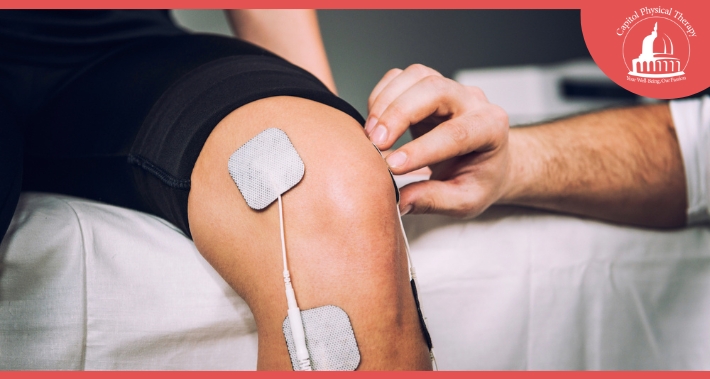
4. Electrical Stimulation
Electrical stimulation techniques use electrical currents to help reduce inflammation.
It can also help reduce muscle pain and promote better blood circulation.
It does so by promoting the release of your body’s anti-inflammatory chemicals.
Transcutaneous electrical nerve stimulation (TENS) and electrical muscle stimulation (EMS) are two examples of electrical stimulation techniques.
Book Your Appointment With Capitol Physical Therapy Today
Inflammation, whether acute or chronic, can take a real toll on your body, impacting your comfort, mobility, and quality of life.
The good news is that physical therapy offers safe, effective strategies to reduce inflammation, manage pain, and restore movement.
At Capitol Physical Therapy, we provide personalized treatment plans that target the root causes of your symptoms, helping you feel better and move more freely.
From exercise therapy to manual techniques and advanced modalities, we’re here to support your recovery.
Book your appointment with Capitol Physical Therapy today and take the first step toward lasting relief.
1100 H St NW Suite 1100,
Washington, DC 20005
- https://g.page/capitolptdc
9560 Pennsylvania Ave. # 202,
Upper Marlboro, MD 20772
- https://goo.gl/maps/zjL4NnnuThRhrcS86
Capitol Physical Therapy offers orthopedic and other pain related solutions, with our versitile team of physical therapists in Washington, DC and Upper Marlboro, MD